"it's all about consistency, balance, and making the most of every opportunity"
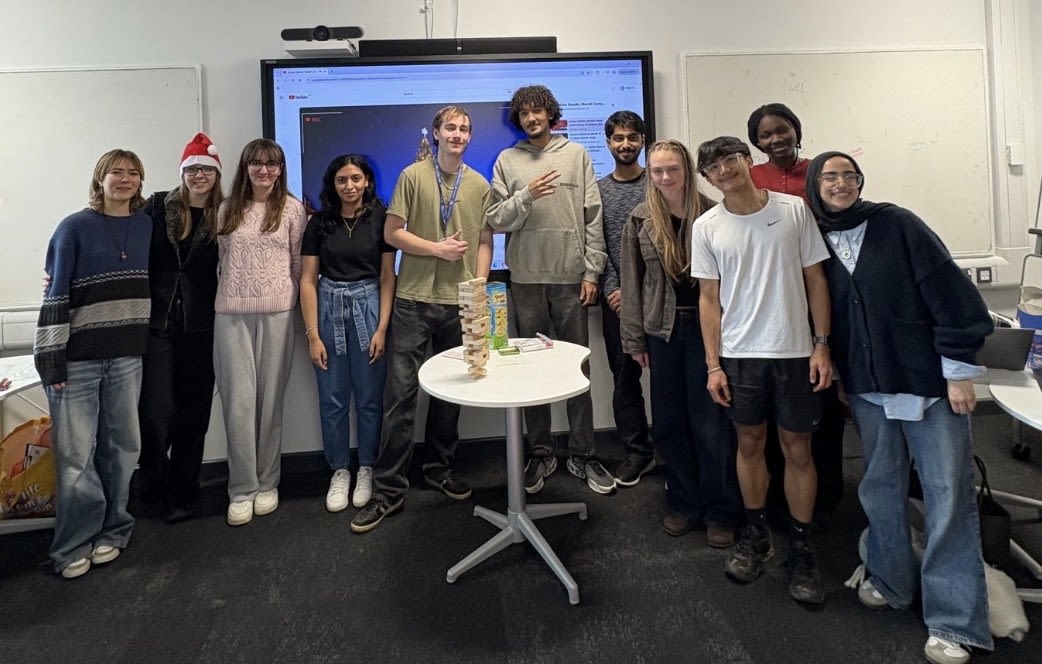

We asked Phase 1 york-based medicine student harry to share his journey to medicine, and talk us through HIS typical week.
"I didn’t take the most straightforward path into Medicine. For a long time I intended to pursue a more hands-on trade, and actually started to train as a bricklayer alongside my GCSEs. But somewhere around Year 10, I realised I was capable of more academically, and that’s when I started to seriously consider Medicine.
"By Year 11, I’d made the decision to pursue Medicine and chose my A-levels accordingly (Biology, Chemistry and Maths). As the first person in my family to go to university, I didn’t have a blueprint to follow, but that made the journey feel even more meaningful. It’s something I’m really proud of.
"When I was choosing where to apply, what really stood out to me about the Hull York Medical School course was the early clinical exposure. The fact that we started placements so early on was a huge draw, because for me, Medicine is all about people. I wanted to be in that environment from the start, speaking to patients and seeing how things work in real life.
"Being from Hull I had the option to choose my home campus, and opted for York because I wanted a change of environment – somewhere new, but not too far from home. It felt like the perfect balance."

ADJUSTING TO FIRST YEAR
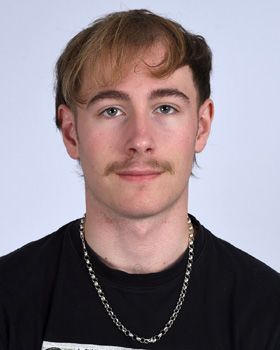
Starting first year was definitely an adjustment, but after induction you quickly get into the rhythm of things – meeting your PBL group, getting your head around the timetable, and, for me, getting used to a completely different style of learning. I soon discovered that success at medical school is less about cramming for exams, and more about staying consistent and keeping on top of things week by week.
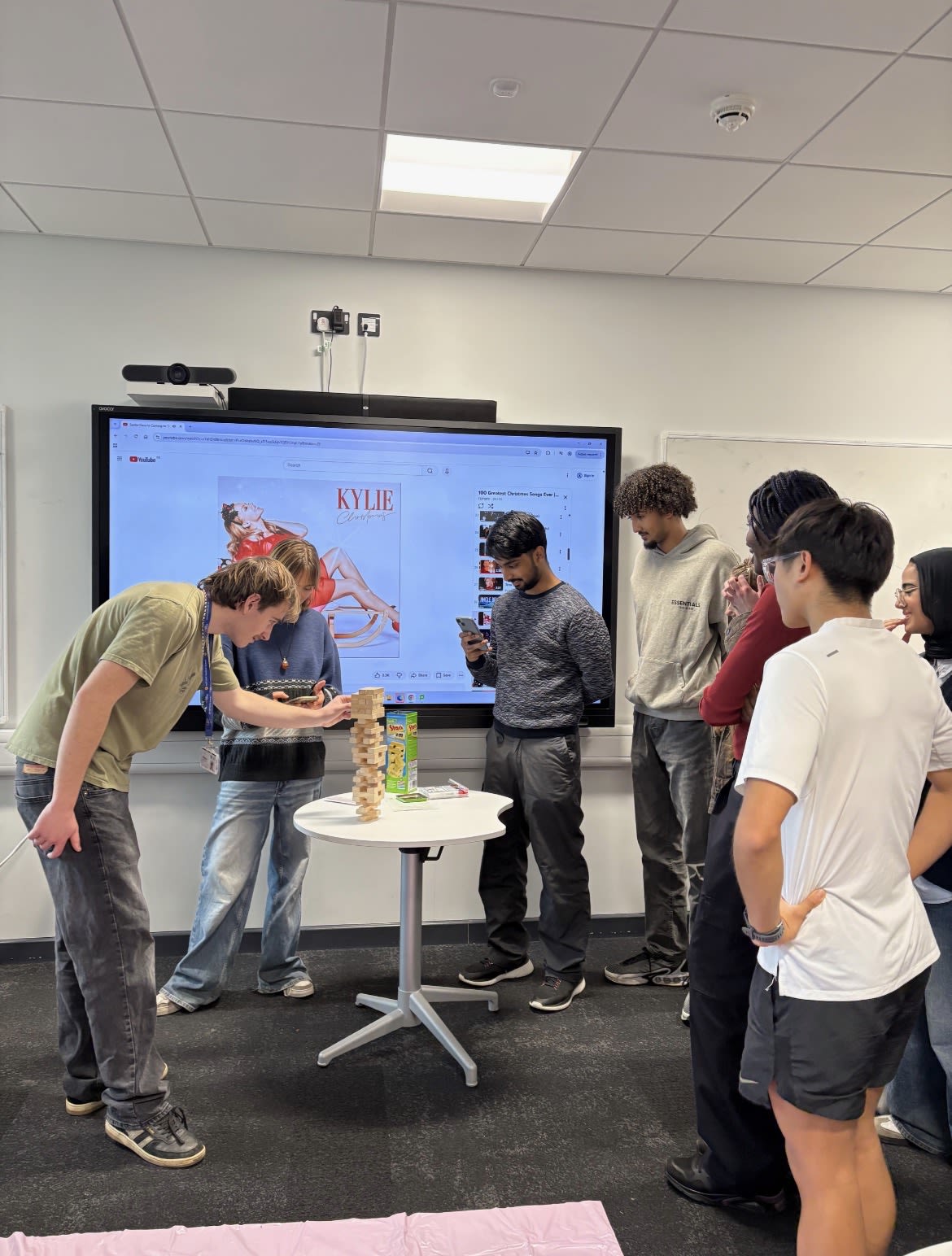
"Problem-Based Learning (PBL) is at the centre of everything we do at Hull York Medical School. We’re introduced to cases on a Thursday, where we work as a group to identify key issues and set learning objectives. Everyone takes on roles, like Chair or Scribe, which helps keep things structured. Then on Friday, we have lectures that tie into the case, giving us the core knowledge we need. Over the weekend, we study independently, diving deeper into topics that interest us or that we feel less confident in. On Monday, we come back together for a review session, often using games or activities to test each other’s understanding. It’s a really effective way of learning because you’re constantly engaging, discussing, and learning from your peers – and our PBL tutor ensures we stay on track in terms of covering what we need to know."
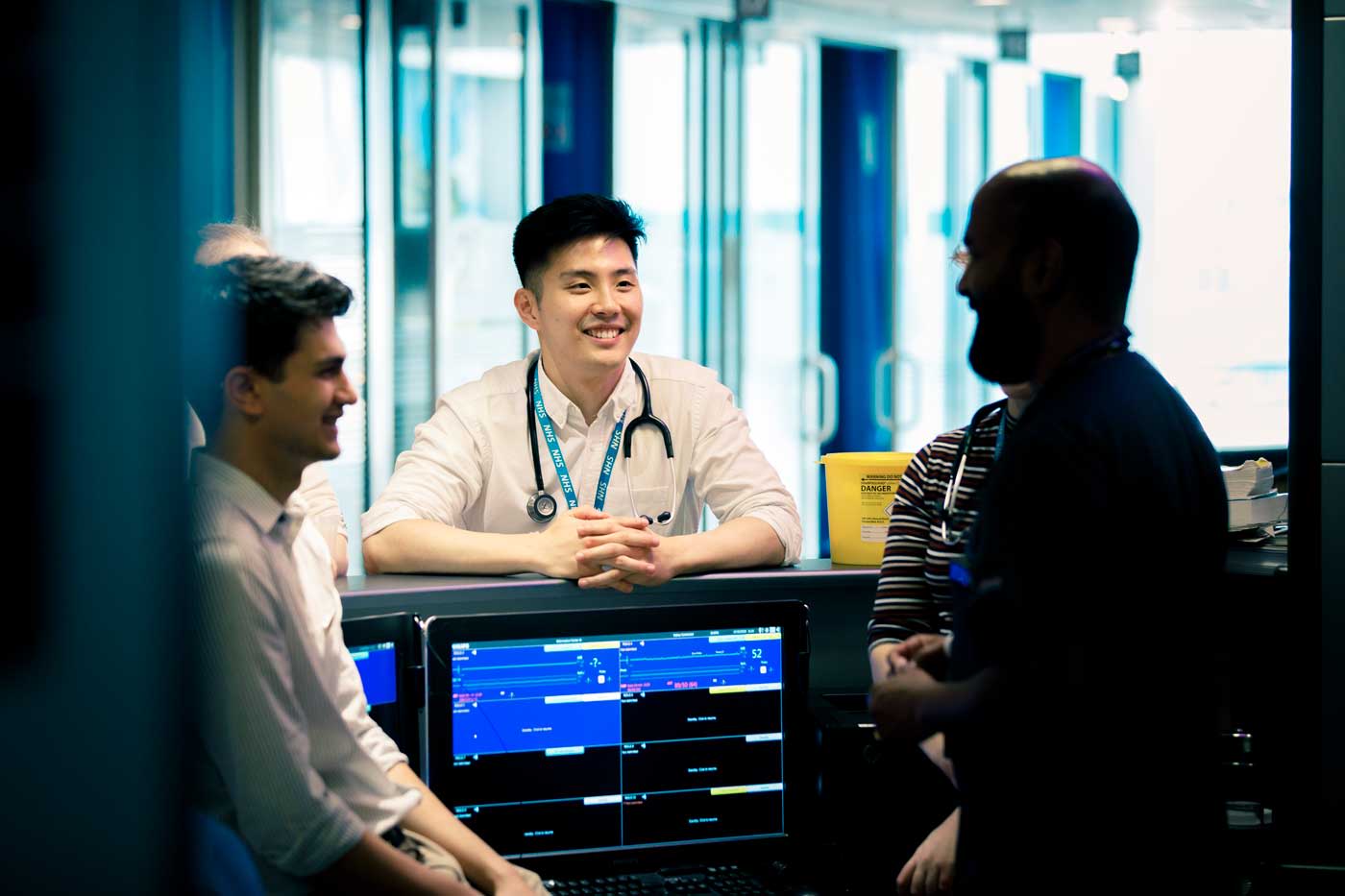
"A real highlight of the week was placement on Tuesdays. For me, placements were a half-day, either in a hospital or GP setting. We usually work in small groups, speaking to patients, taking histories, and sometimes practising basic examinations. I personally love the hospital environment – there’s something exciting about not knowing who you’re going to meet and what you’re going to learn that day. It brings everything we study into perspective."

a healthy work-life balance
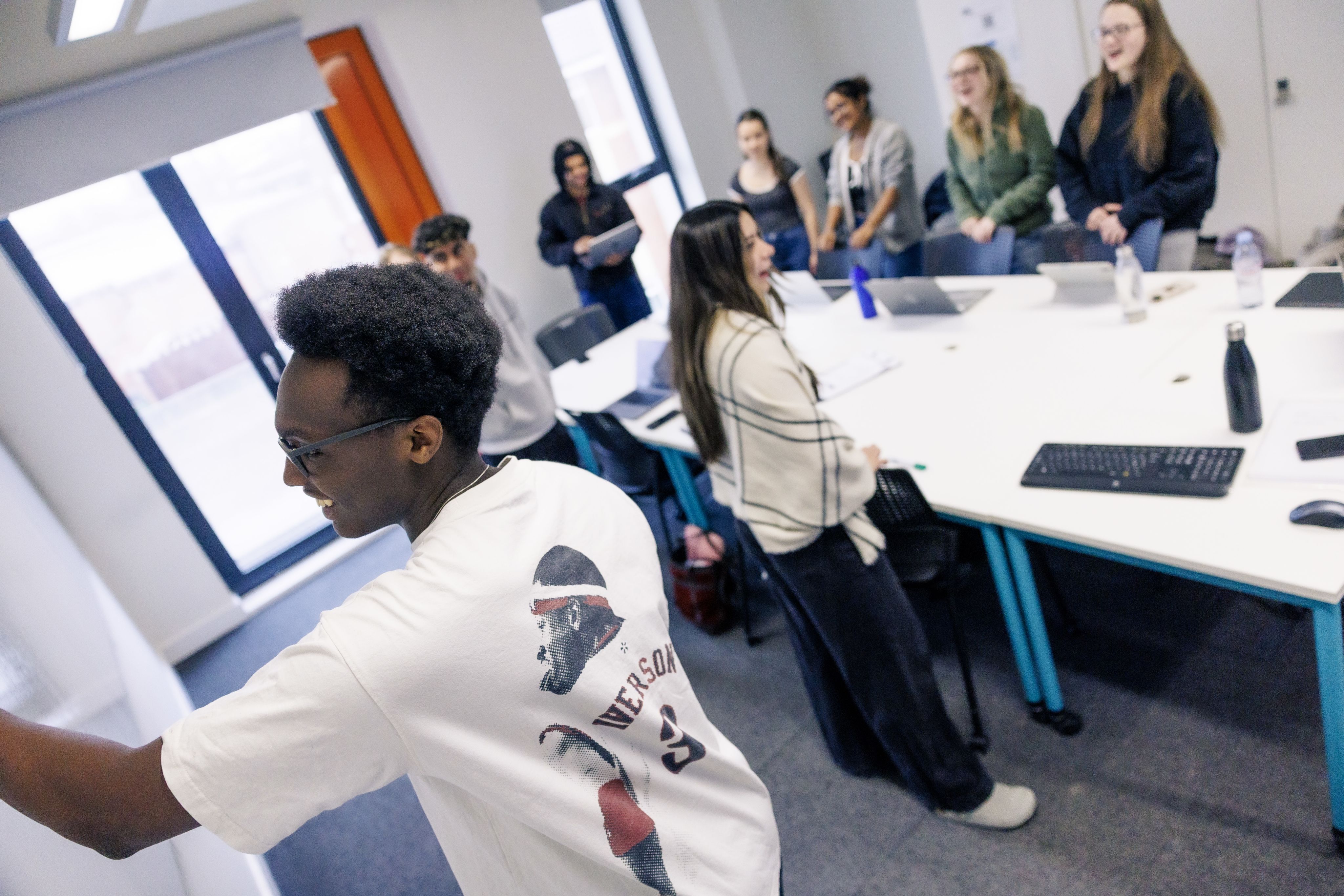
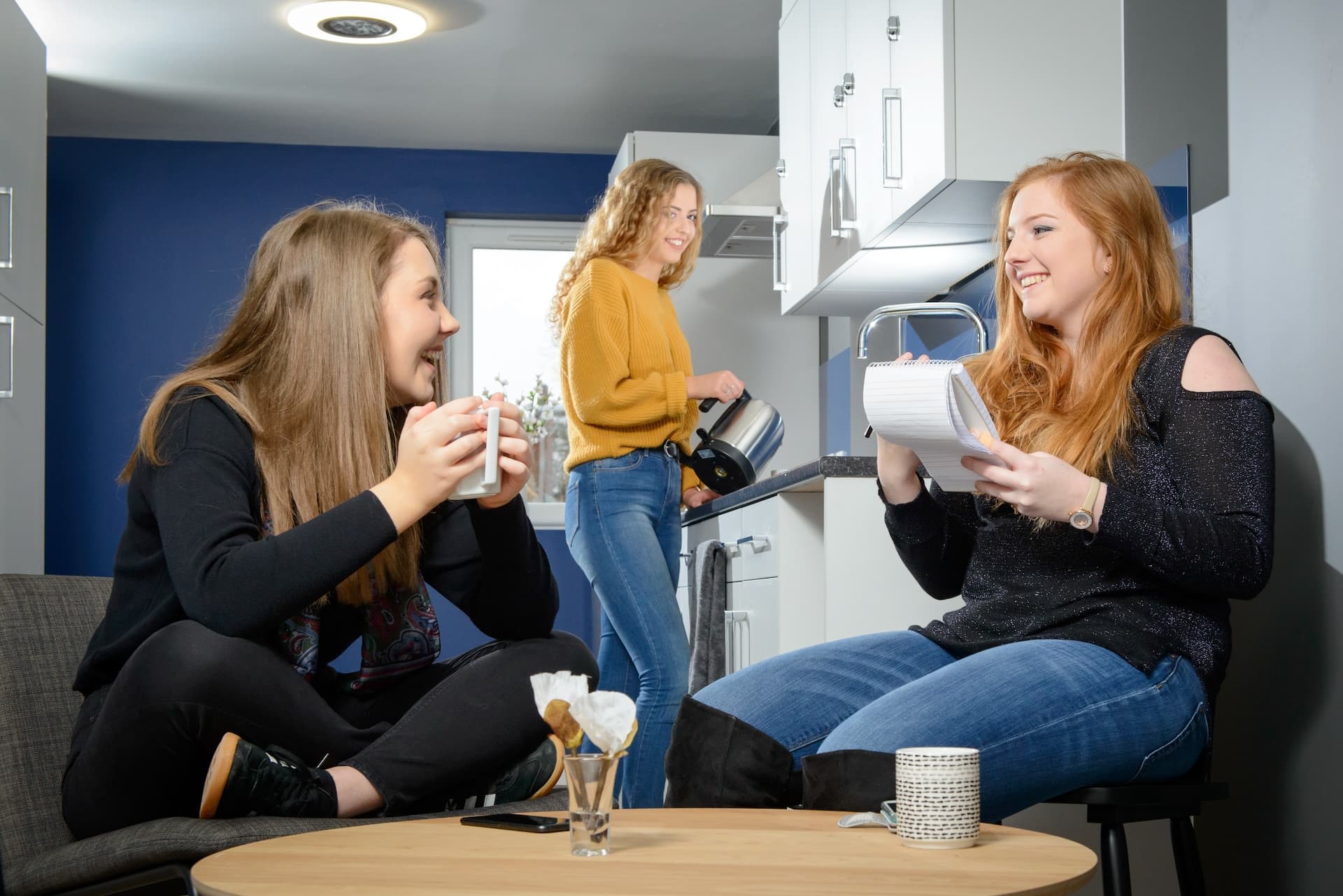
"Wednesdays are a bit of a reset day. That’s when I play golf and take a proper break from studying. Having that midweek downtime is really important, and a healthy social life is a big part of keeping that balance too. It helps that there’s a great sense of community here, with the MedSoc student society organising regular social events. They also arrange initiatives like Medic Families, where you’re paired with students from Year 2 who support you to navigate your way through first year.
One thing I’ve found really valuable is making friends outside of the Medicine programme. It’s easy to get caught up in it all, so having that separation helps you switch off and enjoy university life more fully."
My advice for offer holders
"Looking back on my experience of the application process, the main advice I’d give to current Offer Holders is to trust the work you’ve already put in. If you’ve made it this far, you’ve clearly been dedicated. It’s easy to stress, especially around exams, but remembering that your effort will pay off makes a big difference. Once you’re here, it’s about consistency, balance, and making the most of every opportunity – both academically and socially."
This story reflects the views and experiences of the individual; details may not apply to all Hull York Medical School students. Programme information was accurate at time of publication (April 2026). For the latest programme details, please visit the relevant section of the Hull York Medical School website.







 Built with Shorthand